Sidhbali temple in Kotdwar: cave shrine and Hanuman legends
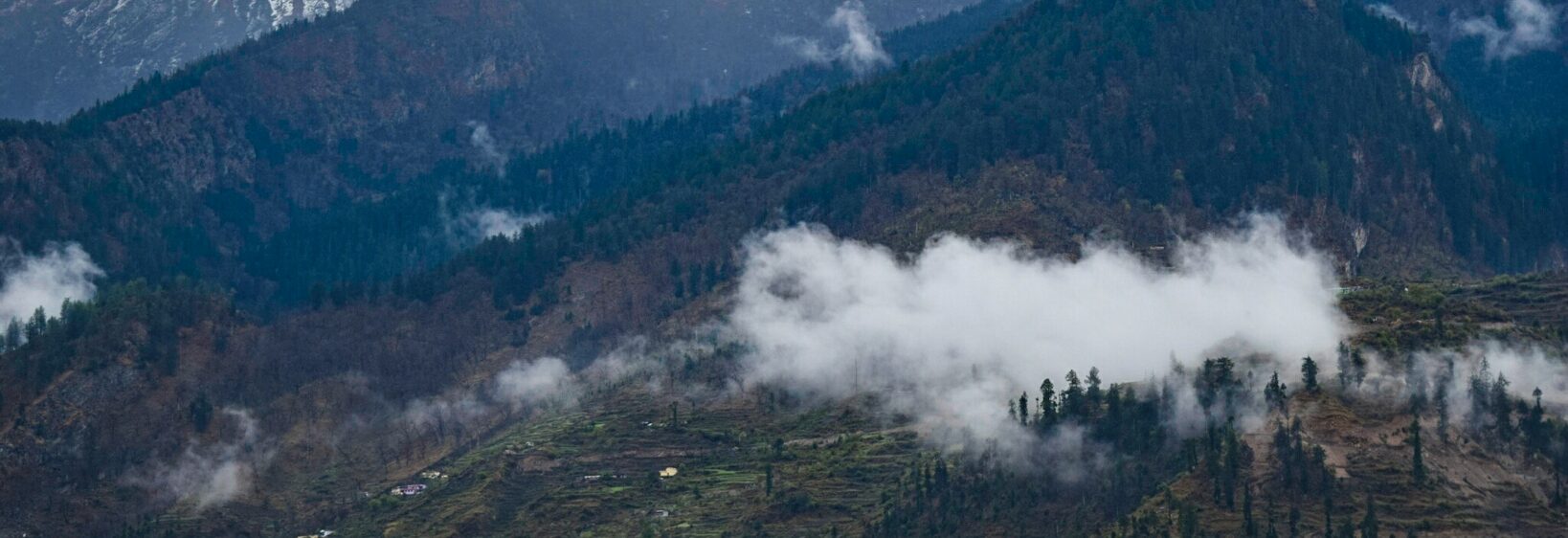
At the edge of Kotdwar, along the road toward Haridwar, Sidhbali temple stands beside the Khoh River. This small cave-like sanctuary honours Hanuman, the monkey-god revered throughout the Ramayana. Flowing water, wooded foothills and temple bells give the Hindu pilgrimage site an intimate character.
Devotees come for protection, courage and freedom from fear, while other visitors seek a quiet place of worship. The white-painted deity, flower offerings and chants contrast with the surrounding hills. Local legends connect the cave with Hanuman’s enduring presence beside those who travel through difficult terrain.
From Sydney, Melbourne or Brisbane, the route usually means flying to Delhi and continuing by train, bus or road toward Haridwar and Kotdwar. Forest, river towns and Himalayan foothills gradually replace the visual rhythm of Australian cities. The visit rewards patience and respect for a living devotional tradition.
Cave sanctuary beside the Khoh
On the Kotdwar–Haridwar corridor, the shrine combines easily with a riverside walk and time in Kotdwar’s markets. Its compact cave chamber feels more enclosed than the open courtyards of larger temples, while the Khoh setting gives the site a strong sense of place.
| Aspect | Sidhbali cave shrine | Binsar Mahadev shrine |
|---|---|---|
| Focus | Hanuman and protective devotion | Shiva and mountain worship |
| Setting | Khoh River below forested ridges | Hilltop views in Almora district |
| Visit style | Short stop on the Haridwar road | Scenic outing with walks |
| Ideal rhythm | Dawn or late afternoon | Clear weather and a slower pace |
After entering the outer courtyard, visitors usually remove footwear before approaching the sanctum. Garlands, vermilion, brass lamps and passing devotees animate the cave-like interior. Photography may be limited during worship, so signs and attendants should be checked before raising a phone or using flash.
Hanuman legends and local devotion
Local oral histories differ on how the shrine began, and that variation forms part of its folklore. A widely repeated account links the cave with a sage whose meditation was answered by Hanuman. Rather than a fixed historical record, the story expresses the deity’s promise to appear to sincere seekers during danger or uncertainty.
The temple atmosphere brings those stories into focus. White markings around Hanuman’s image, repeated names, devotional songs and the passing river reinforce associations with strength joined to humility. In the Ramayana tradition, Hanuman’s service to Rama represents disciplined courage: power used to protect others rather than dominate them.
Worshippers may offer flowers, recite the Sundara Kanda, bow or touch the deity’s feet, and receive laddus or other prasad. The aarti bell creates a ceremonial rhythm, while marigold and incense mark the transition from the busy road to the sanctuary. Outsiders are welcome as observers, but ritual remains the centre.
Planning the journey from Australia
Most Australian visitors connect through Delhi before travelling north. Some continue by rail to Haridwar, then use a bus or taxi for Kotdwar; others take a road transfer from Dehradun. Timetables shift with seasonal and pilgrimage traffic, so allowing a buffer day is prudent. Clear winter mornings and the post-monsoon period generally offer easier road conditions.
Australia and India both drive on the left, offering one point of familiarity. Indian roads demand more attention around motorcycles, pedestrians, livestock and sudden lane changes. Seat belts remain essential, phone use should be avoided while moving, and daylight transfers are generally safer than unplanned night drives through forest roads.
Early starts and refillable water bottles are familiar Australian outdoor habits, and both work well here. Packing a devotional visit resembles managing long theme-park days, though the pace should be quieter. Monsoon rain can affect roads and trails near Kotdwar, making a waterproof layer, covered footwear and a dry bag for electronics sensible.
Markets, food and wider pilgrimage routes
Kotdwar’s bazaars help explain local devotion. Stalls near the shrine sell marigold garlands, coconuts, lamps, incense, devotional books and small boxes of sweets. Australian market habits meet a different retail rhythm here. Unlike the clearly marked stalls at Melbourne’s Queen Victoria Market, some roadside sellers require confirmation of price and payment method.
Food near the temple is largely vegetarian, with thali, dal, roti, seasonal vegetables and milky chai typical of a roadside stop. Visitors used to varied diets should check ingredients and request vegetarian food when needed. Choose a busy, clean-looking stall, carry small notes and keep rubbish with you for a designated bin.
The shrine sits within a wider network of Himalayan journeys. For a contrasting hilltop experience, the Binsar Mahadev temple offers another panorama and a more extended walk from its surrounding town. Local guides can connect Kotdwar with trekking routes, camping stays and viewpoints, but forest access, weather and trail permissions should be confirmed locally.
A respectful and practical visit
Appropriate behaviour is straightforward: dress modestly, remove shoes where requested, keep voices low during prayer, and avoid feeding monkeys or leaving food within reach. Offerings and donations should go through designated attendants or official collection points. Photographers should ask permission before entering close-up rituals, especially during aarti.
- Visit near opening time or before evening aarti, after checking the local schedule and festival calendar.
- Carry a refillable bottle, modest clothing, a light shawl, easy footwear and a small amount of cash.
- Use a registered local guide for trekking routes and confirm trail conditions, access rules and weather beforehand.
- Keep food secured, avoid touching offerings without permission and respect designated areas for ritual activity.
Legal responsibility changes with the destination. Australian biosecurity rules place strict controls on fruit, seeds, soil and some plant material, so loose shrine flowers or food should not be packed for Australia without checking official import conditions. Indian signage and local permissions govern photography and drone use; Australian privacy expectations do not replace them. These customs protect both worshippers and the surrounding ecology.