Maheshmeru Peak Trek Through Uttarakhand’s Glacial Valleys
The Maheshmeru Peak trek leads into a quiet corner of Uttarakhand where high mountain trails, glacial valleys and sparse Himalayan settlements shape the journey. It is an expedition-style route rather than a short weekend walk, with remote campsites, changing weather and long stretches far from roads, shops and mobile coverage.
For Australian hikers accustomed to marked alpine tracks near Melbourne, Canberra or the Blue Mountains, this trek offers a more rugged experience. The landscape changes from pine forest and terraced villages to moraine, snowfields and broad river valleys, while local guides remain essential for route-finding and safe camp selection.
Where The Trek Begins
The approach is generally planned through the Kumaon region, with the exact trailhead depending on the season, expedition operator and current access conditions. Munsiyari, Bageshwar and the Pindari Glacier corridor are useful reference points when discussing the wider trekking landscape, although Maheshmeru itineraries may follow different approaches.
Travel from Delhi or Dehradun usually involves a long road journey before the walking begins. Allow extra time for mountain traffic, landslides and shared jeeps that leave when full rather than according to a strict timetable. A useful background resource is this Pindari Glacier itinerary, which explains the rhythm of approaching Uttarakhand’s remote high valleys.
Valleys, Rivers And Glacial Terrain
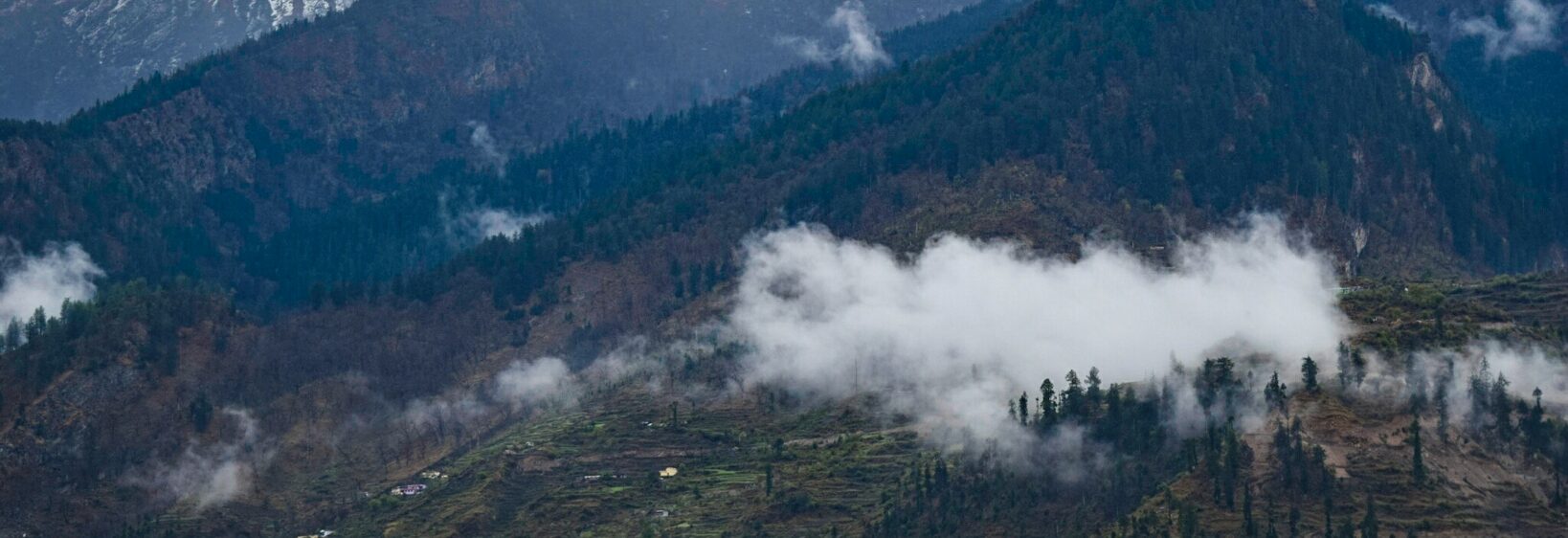
Lower sections often pass through oak, rhododendron and conifer forest, with village paths crossing cultivated slopes. As the trail rises, vegetation becomes thinner and the scenery opens into rocky basins, snow patches and glacial streams. The contrast between green valley floors and stark upper mountain walls is one of the trek’s strongest photographic features.
Glacial terrain requires care even when the route appears straightforward. Loose moraine can shift underfoot, snow bridges may weaken during the day and streams can rise after rainfall or afternoon melt. Guides assess the safest crossing points each morning, while trekkers should avoid travelling alone beyond established camps.
Remote Campsites And Daily Rhythm
Campsites are usually basic clearings selected for shelter, drainage and proximity to water rather than comfort. Expect a tent, sleeping mat, shared cooking arrangements and limited washing facilities. At higher camps, wind protection and warmth matter more than views, and a small change in weather can alter the planned schedule.
A normal day starts early, often before sunrise, so the group can cover exposed ground before clouds build. Breakfast may be simple porridge, eggs, rice or flatbread, followed by a packed lunch. Australians used to buying snacks at a city café in Sydney or Brisbane should carry dependable high-energy food, as there may be no local market after the approach villages.
Weather, Permits And Mountain Safety
The best window is usually selected around stable pre-monsoon or post-monsoon conditions, but Himalayan weather remains unpredictable. Snowfall, rain, rockfall and strong winds can affect the itinerary at short notice. Ask the organiser about recent trail reports, evacuation procedures, satellite communication and whether equipment is supplied or carried by porters.
Permits and local registration requirements can vary according to the protected area and the route used. Indian forest, wildlife and trekking regulations may restrict camping, firewood collection, photography or movement through sensitive zones. These rules are practical safeguards, so keep identification, insurance details and emergency contacts accessible rather than buried in a pack.
Preparing From Australia
Australians should arrange travel insurance that specifically covers trekking at the planned altitude, helicopter evacuation and remote medical treatment. Standard policies may exclude mountaineering, snow travel or routes above a stated elevation. Check the wording carefully, just as you would before a backcountry trip in Tasmania or a multi-day walk in Kosciuszko National Park.
Australia’s biosecurity rules also deserve attention on the return journey. Clean mud, seeds and organic material from boots, gaiters and camping equipment before flying home, and declare anything that may carry soil. Local habits help too: use a reusable bottle, pack out rubbish and avoid disposable wet wipes in fragile mountain camps.
Equipment And Ethical Travel
A four-season sleeping bag, insulated layer, waterproof shell, sturdy boots, trekking poles and reliable headlamp form the core kit. Sunglasses, sunscreen and lip balm are important at altitude, while blister care, personal medication and water purification supplies should stay in your daypack. Test every item before leaving Australia rather than discovering problems in a remote valley.
Travel respectfully through villages and sacred landscapes. Ask before photographing residents, temples or private ceremonies, and follow local advice about clothing and behaviour. The wider visual character of Uttarakhand can be explored through Uttarakhand photo stories, while practical route-planning ideas and outdoor perspectives are also available in these mountain travel notes.
Essential Planning Checklist
A responsible itinerary should build in spare days and avoid treating the summit as the only measure of success. Acclimatisation, safe river crossings and a return before deteriorating weather are more important than keeping to a rigid timetable.
- Book a registered local guide with recent knowledge of the Maheshmeru approach.
- Confirm permits, insurance, evacuation support and communication equipment.
- Train with loaded-pack walks before leaving Australia.
- Carry warm layers, water treatment, sun protection and personal medication.
- Follow leave-no-trace practices and respect village customs.
The Maheshmeru region rewards patience and preparation. Its glacial valleys and isolated campsites offer a deeper connection with the Kumaon Himalaya, provided trekkers accept that the route is shaped by weather, terrain and local knowledge rather than a fixed timetable.