The Bhimtal Aquarium: Freshwater fish and lakeside photo spots
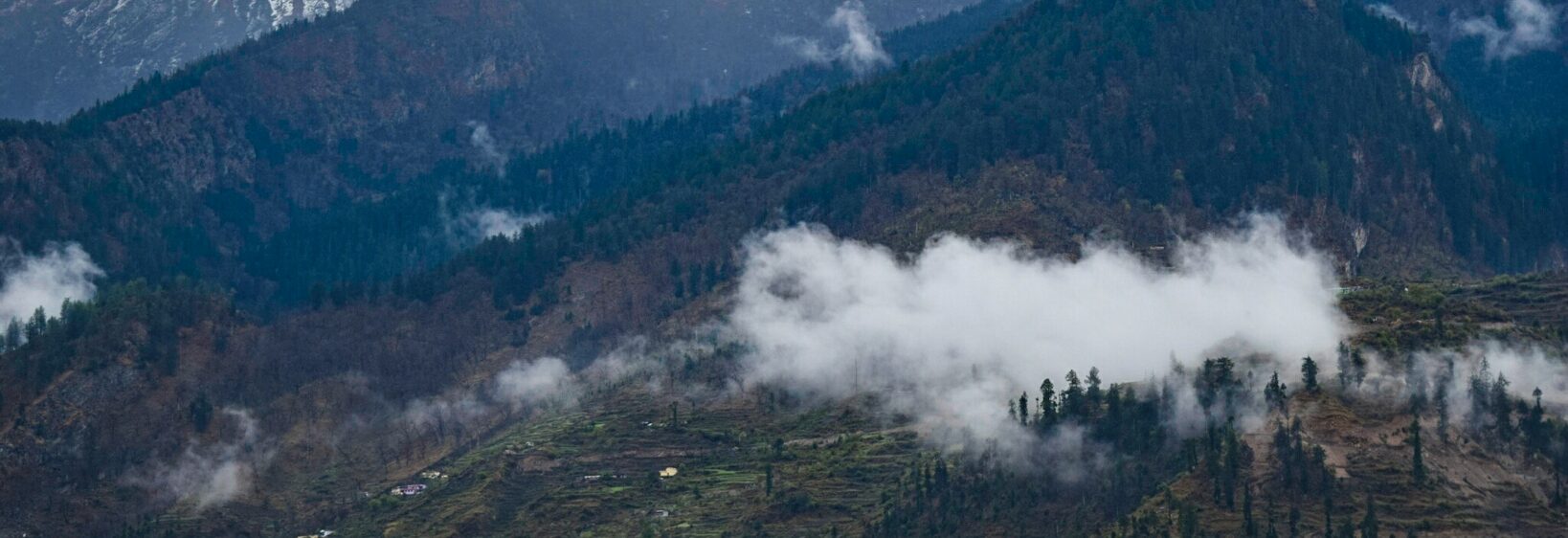
The Bhimtal Aquarium is a compact stop beside one of Uttarakhand’s best-known lakes. Its freshwater displays introduce fish shaped by river and mountain habitats, while the waterfront invites photographs of boats, birds, mist and the Naina Peak ridge. The pairing works well: an indoor lesson in aquatic life followed by the real lake outside.
For Australian travellers, it rewards a little planning. The lake sits in a busy hill-station area, access can change with monsoon weather, and payment habits differ from home. Allow space for the aquarium, a lakeside walk and a proper meal rather than treating it as a quick roadside stop.
Freshwater life inside the tanks
Opened in 2016, the aquarium is small and museum-like rather than a huge marine-style complex. Tanks show fish associated with Indian rivers and hill streams, including mahseer, snakeheads, catfish and smaller varieties. Stock can change through transfers or restocking, so individual species may not always appear. Labels connect the displays with habitat loss, pollution and overfishing.
The best visits are unhurried. Read the labels, notice how fish occupy different depths and watch their movement before taking photographs. Dim tank lighting reveals behaviour but challenges phone cameras, so move slowly and check each view. Visitors from Melbourne or Sydney may compare the venue with the Melbourne Aquarium or SEA LIFE Sydney, though these exhibits are smaller and devoted to freshwater life.
Planning a smooth visit from Australia
Australians often plan around school holidays, and visitors from NSW, Victoria or Queensland may find the Mall Road busiest then. The seasons are reversed: Australia’s December-to-February summer falls in Bhimtal’s cool season, while Australian winter breaks in June and August can meet monsoon rain. October and November often bring clearer air, although weekend traffic still lifts the crowds.
India and Australia both drive on the left, though mountain traffic needs more caution. Many visitors take a hotel-arranged taxi or reputable ride app from Nainital, roughly 20 km away, as local buses are inexpensive but crowded. Agree the fare before leaving and check road conditions after heavy rain. Payment is the bigger adjustment: set up UPI with an eligible international card, carry some Indian rupees for outages, and confirm current aquarium hours and entry rules locally.
Aussies tend to use first names and a relaxed tone, while locals may say “bhai” or add the respectful suffix “ji”; both can sound friendly once you recognise the cues. For meal breaks, the gallery’s Pahari dishes guide explains the vegetarian dishes, warming curries and hill-state flavours that are easier to find around Bhimtal.
Keep these essentials ready:
- A working UPI app and eligible card
- Small notes in Indian rupees
- An offline map and saved taxi number
Pack for variable hill weather:
- A light waterproof and warm layer
- Grippy shoes for wet paving
- A lens cloth and charged power bank
Finding the strongest lakeside light
Start at first light, when the lake often holds mist and the slopes above Naina Peak make a layered backdrop. Walk along the Mall Road for reflections, local activity and clean frames of the water. Boat movements are best photographed from a respectful distance, with the shoreline and low buildings included to prevent the view from feeling empty.
Midday can be harsh, yet strong side light brings out texture on boats and birds. A longer focal length lets you isolate details without stepping into the road or close to homes. On clear evenings, look for silhouettes, glowing lamps and coloured hills beyond the water; these can be more rewarding than forcing the sun into the frame.
Weather changes quickly in the hills. Heavy monsoon rain may affect viewpoints and mountain roads, while winter mornings can cause lens fogging. Keep compositions honest: frame out shoreline litter where possible, remove only your own waste, avoid flash near birds and ask before photographing residents or children.
Photographing water, boats and mountains
For aquarium glass, switch off flash, lower the ISO and use roughly 1/125 second to hold moving fish without obvious blur. Put the lens close to the glass, shade reflections with a dark sleeve and check the edges before shooting. Reflections of visitors can become part of the image, provided nobody identifiable is uncomfortable.
Outside, use 1/500 second or faster for rowing boats and birds, and stop down to f/8 or f/11 for a broad lake and ridge. A circular polariser can control glare, although turning it changes both reflection and water colour, so vary the angle. Meter the bright sky and allow highlights to clip slightly when a darker foreground suits the mood.
Closer photographs work best when patience replaces zoom. Photograph fish eyes and fins through glass, then seek leaf textures, ripples and converging shorelines as quieter subjects. For a nearby exercise in foreground layers and changing evening light, the gallery’s Mukteshwar viewpoints offers useful comparisons before you return to Bhimtal’s waterfront.
Food, family stops and a nearby day
Food gives the aquarium a place within a full hill day rather than an isolated visit. Many small dhabas and family-run cafes near the lake serve vegetarian meals, snacks and tea, with lunch often the easiest substantial option. Cash remains useful at roadside stalls even when UPI is available.
Australian diners used to quick urban café service may need more flexibility: kitchens can be busy, weekends draw local families and popular dishes may run out earlier. Order one hot main, dal, roti or rice, and a chaat to share. Check whether a dish is dairy-based or contains onion, and carry water from a trusted refill point rather than buying plastic bottles unnecessarily.
For families who enjoy a structured attraction, the Kennedy Space Center guide provides a useful comparison in managing children around a complex visitor site. The aquarium itself needs less time and can be paced within a relaxed hour, subject to current opening arrangements. Pairing it with a meal, a short Mall Road walk and an evening viewpoint creates a comfortable day for younger travellers and older companions alike.