Kalpeshwar Temple: Cave Shrine and Seasonal Journey to Helang
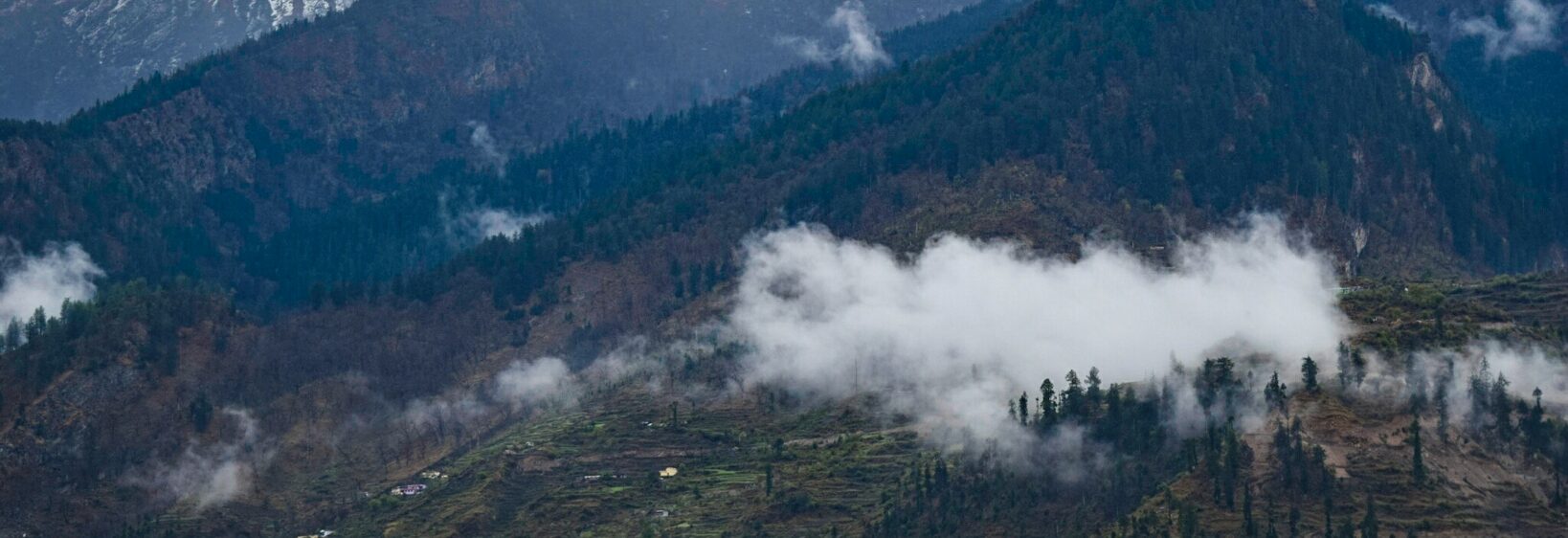
Set among deodar forest below Hathi Parvat, the Kalpeshwar Temple is a compact cave temple reached through Helang, a high Uttarakhand village. Associated with Shiva, it forms part of the Jyotirmath pilgrimage circuit, about 12 kilometres from the market town. Its cave-like sanctum, remote setting and seasonal access make the visit intimate rather than monumental.
Travellers often pair the sanctuary with Jyotirmath, Joshimath and the surrounding Himalayan landscape. Late spring and autumn generally provide the best balance of access, weather and festival activity. Forest paths, devotional songs, snowmelt and mountain views give the journey much of its character.
| Aspect | Kalpeshwar cave temple | Joshimath temple area |
|---|---|---|
| Setting | Forest cave below Hathi Parvat | Valley shrines around a busy hill town |
| Access | Seasonal mountain road and stepped path | Wider road network and local transport |
| Strongest season | Late spring and autumn | Most of the year, subject to snow |
| Main appeal | Quiet Shiva pilgrimage and mountain views | Architecture, shopping and nearby viewpoints |
The cave sanctuary and mountain setting
A stepped path climbs through conifer and broadleaf woodland towards the shrine, with Hathi Parvat rising behind it. At roughly 3,890 metres, the site can feel cool even when nearby valleys are warm. Spring brings rhododendron colour, autumn clears the air, and winter snow transforms the approach.
The cave has a low entrance and narrow worship area centred on a Shiva lingam. Unlike open temple courtyards, the compressed space makes rituals, bells and collective chanting feel immediate. Natural light and electrical fittings are modest, preserving an intentionally intimate atmosphere.
Opening seasons and the pilgrimage calendar
Opening dates depend on weather and local decisions, but the shrine is most associated with Kanya Agam in May–June and Kartik in October–November. During the annual Mata Murti Ka Mela in Jyotirmath, devotional processions can bring the image of Kalpeshwar to the festival ground. Confirm current arrangements before travelling.
Heavy monsoon rain can cause landslides, swollen streams and slippery steps, while winter closures are possible after sustained snow. Seasonal access is not a technicality: as with Halifax River paddleboarding, where tides and weather affect launches, a sound itinerary depends on current local advice.
What visitors encounter inside the cave
Inside, the focus is the Shiva lingam, surrounded by offerings, flowers, lamps and devotional images. Bells announce arrivals, and worshippers move through the compact sanctuary with respect. This is a functioning sacred place rather than a museum, so quiet attention to people at prayer matters more than securing a perfect photograph.
Shoes are usually removed before entering the inner area, and clothing should cover shoulders and knees. Avoid flash photography, close images of worshippers and drone flights unless permission is clearly given. Priests may use Hindi and Garhwali, with English assistance varying by place and season.
Hathi Parvat and the wider Helang landscape
Beyond the sanctuary, Hathi Parvat provides a memorable backdrop and is often called Elephant Mountain for its ridgeline. Framing the peak from the approach trail can be rewarding, and the Hathi Parvat photography guide offers useful perspective on changing views and cloud cover.
Helang also suits a quiet village stay, forest walks and visits to nearby streams or the waterfall after rain. These activities need local guidance, particularly after heavy rain. Conditions can differ sharply between a sunny village and a cold, clouded ridge, making warm layers and realistic travel times more useful than a packed sightseeing plan.
Planning a journey from Australian cities
Most travellers from Sydney, Melbourne or Brisbane connect through Delhi or another Asian gateway before continuing to Rishikesh or Haridwar and north towards Jyotirmath. The final mountain leg can take longer than maps suggest because of traffic, checkpoints and landslides. Build in a rest day, and avoid a same-day temple visit after a long international flight.
Contactless cards and ride-hailing apps make Australian cities easy to navigate, but cash remains useful in mountain settlements and mobile data can be inconsistent. Many Australians stop at a farmers' market in Melbourne or Sydney for regional produce on a road trip; around Helang, roadside tea stalls and seasonal produce offer a comparable food culture. Ask before photographing vendors.
Before departure, follow Smartraveller advice, arrange travel insurance and keep copies of key documents. Drone rules also matter: many aircraft above 250 grams, and all commercial operations, require registration in Australia, while flight near people is restricted. India has separate DGCA registration requirements and local restrictions. Check current CASA and Indian guidance, then obtain temple and local permissions before flying.
Etiquette and practical recommendations
A respectful visit begins with patience. Follow cues for shoes, photography and movement around the sanctum, and avoid blocking worshippers during ceremonies. Donations can be made through the shrine or a recognised local project rather than handed directly to individuals.
Keep the itinerary flexible. Mountain weather, road conditions and temple timings can change quickly, and a spare day in Jyotirmath or Joshimath can prevent a rushed visit. Manage altitude, cold and dehydration with an easy pace, warm layers, water and suitable footwear.
- Confirm the temple's opening period and festival schedule with a verified local contact shortly before visiting.
- Stay at least one night in Helang or Jyotirmath to avoid a rushed journey from Joshimath.
- Carry water, sun protection, a warm waterproof layer, cash and offline copies of bookings and permits.
- Use a licensed local driver, agree the return time and keep an alternative plan for disrupted roads.
Reaching the cave is only part of the experience; protecting its quiet character and respecting its living pilgrimage tradition is equally important.