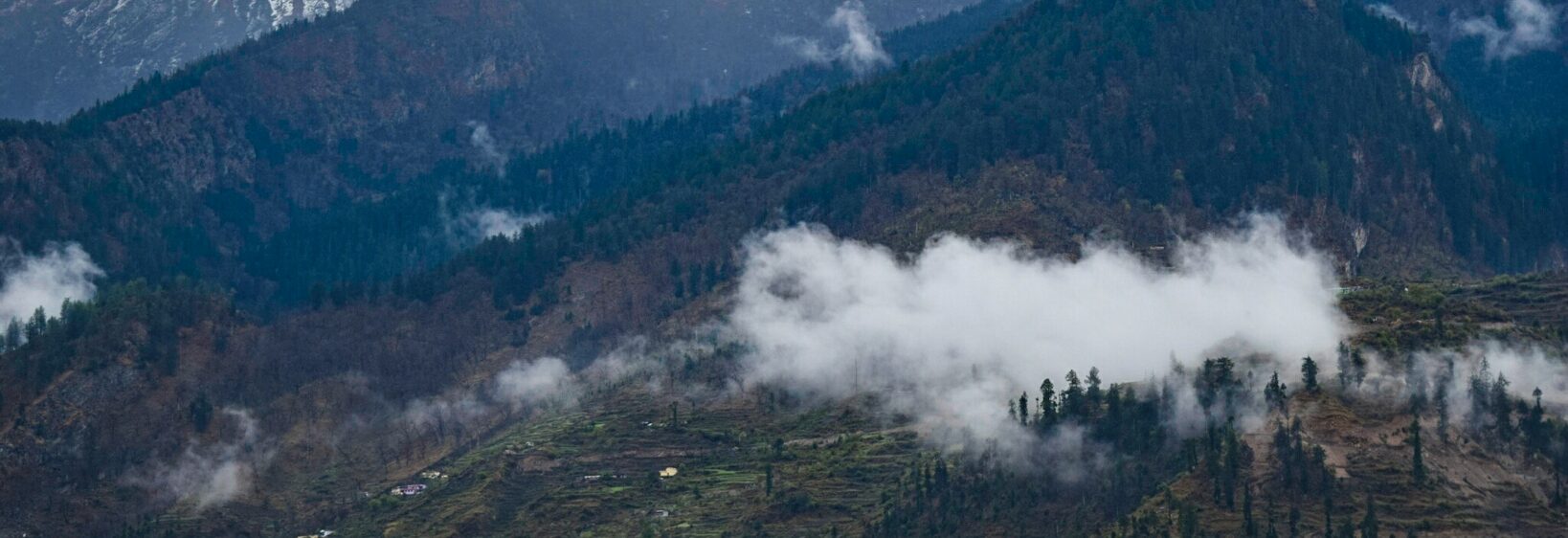
Someshwar valley: pine forests and ancient temple wonders
The Someshwar Valley sits in the Kumaon Himalaya around Dwarahat, where roads pass between chir pine and deodar woods. At its centre stands an ancient Shiva temple, while orchard villages and open ridgelines provide views across the wider Binsar landscape.
Spring brings clear mountain air, flowering rhododendrons and a busy pilgrimage season. Autumn is calmer, with crisp views and colourful orchards, while winter can cover the upper trails in snow. The atmosphere changes quickly with the weather, giving the valley a distinctive rhythm.
The destination is about living culture as much as scenery. Temple bells, seasonal fairs, Kumaoni songs and village markets reveal a region shaped by Himalayan traditions, farming communities and centuries of devotional life.
For Australians, the journey is different but partly familiar. Travellers from Sydney and Melbourne often expect smoother highways, while these mountain roads reward patience. India, like Australia, keeps to the left, although stopping, overtaking and roadside chai breaks create their own unmistakable character.
Finding the valley and choosing a season
Most visitors reach Dwarahat from Kathgodam, turning from the broader Almora road into a narrower valley route. The drive takes roughly four hours, depending on roadworks, rain and local traffic. Shared jeeps and taxis offer alternatives to hiring a car for the full journey.
Spring and autumn are generally the most comfortable periods for sightseeing and walking. Monsoon rain can trigger landslides and temporary closures, while snow may make higher viewpoints inaccessible between December and February. Local lodges can provide current road information, which is more reliable than old online travel advice.
Mountain driving requires a different mindset from urban Australian motoring. Drivers may stop suddenly for animals, pedestrians or tea sellers, and mobile reception can disappear in the folds of the valley. A local driver familiar with monsoon conditions and narrow bends is often worth the additional cost.
Pine forests, orchards and distant ridges
Someshwar gets its character from forests of chir pine, Himalayan deodar, oak and silver fir. Sunlight filters through the branches in shifting patterns, while birds and small mammals make the quieter paths sound alive. Walking uphill from Dwarahat leads through woodland with broad views of the Kumaon peaks.
Lower slopes contain orchards producing apples, plums, chestnuts and mangoes. Village paths pass stone walls, grazing animals and old agricultural terraces. Visitors should treat these as working landscapes, avoiding damaged branches, fallen fruit and private fields.
The higher ridges offer a more sweeping perspective. The Binsar Zero Point panorama captures the scale of the surrounding ranges, where forests climb toward villages and distant Himalayan summits.
The ancient Someshwar temple complex
Devotion to Shiva is believed to date from the eighth century, although the surviving structure includes substantial eighteenth-century rebuilding after earthquake damage. Its weathered stone, carved panels and elevated sanctuary preserve a strong connection with traditional Kumaoni temple architecture.
The complex includes the main shrine, a Nandi pavilion and gathering spaces where worshippers ring bells and offer flowers. Stone images represent Shiva and other divine figures, while the courtyard remains an active place of prayer rather than a static historic monument.
Visitors are expected to remove shoes before entering the mandapa and dress modestly around the sanctum. Photography may be restricted during worship, and visitors should ask before photographing priests, offerings or other worshippers. Maha Shivaratri transforms the valley into a major spiritual gathering point.
Village markets and Kumaoni hospitality
Dwarahat and Rajpurohit provide small but characterful markets selling woollen shawls, knitted caps, brass vessels, honey, fruit and locally grown grain. Bargaining is common in informal stalls, though fixed-price shops exist. Small notes in rupees remain useful outside the main hotels.
Meals centre on potatoes, lentils, rice, mountain vegetables and warming soups. Dishes such as kafuli, bhatt ki churkani and aloo ke gutke reflect the region’s seasonal ingredients. This differs from a weekend farmers’ market in Melbourne or Sydney: bargaining, seasonal opening hours and cash-based transactions shape the experience.
Kumaoni culture also survives through oral stories, devotional songs and accounts passed between generations. Travel writer Gitanjali’s travel stories and essays offer a useful window into the region’s landscapes and the people whose lives are closely connected to them.
Travelling responsibly through the Himalaya
Walkers should carry their rubbish out, avoid picking flowers and keep away from grazing land. Open flames and discarded glass can threaten dry pine forests, making prevention especially important during the winter and early spring. Reusing refillable water bottles also reduces waste around temples and villages.
Australian regulations provide a useful reference point without replacing local rules. Drone flights in Australia generally require CASA registration and must avoid crowds, airports and emergency operations; in India, permission from relevant authorities and local landowners may also be needed. Strict Australian biosecurity rules apply when returning with fruit, eggs, meat or unpackaged food.
Weather, road access and temple ceremonies can alter plans at short notice. Keeping a flexible schedule allows visitors to follow local advice and experience the valley without imposing a rigid urban timetable. By late afternoon, the forest voices fade behind the echoes of the temple bells and evening settles over the Someshwar hills.