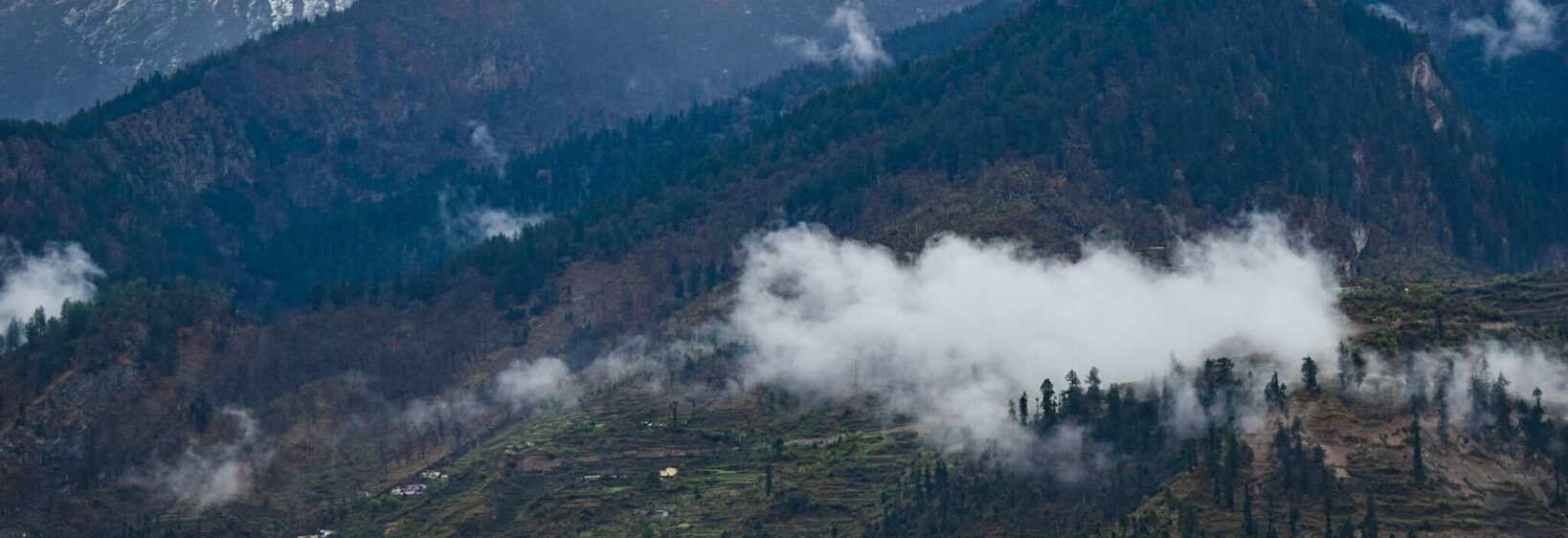
A Village Homestay Guide For The Pindari Valley
Khati is one of the best-known villages on the approach to Pindari Glacier, set high in Uttarakhand’s Kumaon Himalaya. Reaching it involves a scenic road journey followed by a mountain walk, so staying with local families is often more practical and memorable than returning to a distant town each day.
The small settlements around Khati offer a quieter alternative to standard hotels. Rooms are simple, meals are usually home-cooked, and the experience depends heavily on weather, road conditions, family availability and the season. This is rural mountain travel rather than a polished resort holiday.
For Australian visitors, the valley rewards patience. A traveller used to booking a Blue Mountains cabin, a Great Ocean Road motel or a well-equipped alpine lodge should expect fewer facilities here, but also a closer connection to village life, forest trails and Himalayan landscapes.
Getting To Khati From The Plains
Most journeys begin in Kathgodam or Haldwani, reached by train or domestic flight connections through Delhi. From there, travellers generally continue by road through Almora, Bageshwar, Kapkot and Song towards Khati. The last section can be slow, with bends, rough patches and delays caused by monsoon damage or local roadwork.
Khati is commonly approached on foot from Kahrkia, after the vehicle route ends. The walking distance and timing depend on the exact starting point, trail conditions and luggage. Australian guests should allow extra travel days rather than trying to match a tight itinerary with a return flight from Delhi or a domestic connection.
Finding A Suitable Homestay
Homestays are found in Khati and in nearby villages along the Pindari Valley route. Some are family homes with a few guest rooms, while others operate more like basic trekking lodges. Advance contact is useful during April to June and September to November, when trekking demand is strongest.
Ask about the walking distance from the road, bedding, attached bathrooms, hot water, electricity and meal arrangements. A stay advertised as a village guesthouse may have a shared toilet, limited charging and intermittent mobile coverage. Confirming these details before paying a deposit prevents confusion after a long mountain journey.
Rooms Meals And Local Hospitality
Expect clean but modest rooms, often furnished with beds, thick quilts and locally made blankets. Nights can be cold even when afternoons are pleasant, and heating may come from a traditional kitchen fire rather than a room heater. Privacy varies because homes remain working family spaces.
Meals commonly include dal, rice, roti, seasonal vegetables, potatoes, pickles and tea. Tell the host about allergies or dietary needs when booking, especially if you require gluten-free, vegan or low-spice food. Visitors from Australia may find the routine refreshingly direct: a warm cup of tea, a hearty dinner and an early “brekkie” before walking.
Costs And What To Pack
Prices change with the season, group size and inclusions. A room with dinner and breakfast may be charged per person, while guides, packed lunches, porters and transport are usually separate. Carry Indian rupees because card payments and ATMs cannot be relied upon near the trailhead.
Useful items include:
- A warm layer, waterproof jacket and woollen socks
- Sturdy walking shoes with good grip
- Headlamp, power bank and reusable water bottle
- Personal medicines, sunscreen and basic toiletries
Discuss whether drinking water is filtered or boiled. A lightweight purification method is sensible, and refillable bottles reduce plastic waste in a remote valley. Keep cash in separate places and carry small notes for tea, snacks and village purchases.
Things To Do Around The Village
The main attraction is the trail towards Pindari Glacier, passing through forests, bridges, grazing areas and dramatic mountain scenery. A local guide can explain the route, weather patterns and safe river crossings. Shorter walks around Khati are suitable for travellers who prefer photography, birdwatching or slow exploration.
Village life is part of the destination. Watch for seasonal farming, traditional stone-and-timber houses and conversations in Kumaoni or Hindi. Travellers interested in sacred sites may also enjoy reading this visual account of the Parvati Temple, which offers further context on Uttarakhand’s mountain shrines.
Choosing The Best Travel Season
Pre-monsoon months offer greener trails and generally favourable trekking conditions, though afternoon cloud can build quickly. Post-monsoon travel often brings clearer views and fresh vegetation. Winter is quieter, but snow, frozen water and closed accommodation can make the route unsuitable without specialist planning.
Australian school-holiday timing matters when organising the trip. June and July may coincide with winter breaks in parts of Australia, yet July is also monsoon season in Uttarakhand. Travellers from Sydney, Brisbane or Melbourne should check regional school dates, then compare them with the Himalayan weather window rather than assuming the Australian summer calendar applies.
Respectful And Responsible Village Travel
Ask before photographing residents, kitchens, livestock or religious activities. Dress modestly, keep noise low and follow household customs. Learning a few Hindi phrases such as “namaste”, “dhanyavaad” and “paani” is appreciated, even when hosts speak some English.
Book through a trusted local contact and confirm cancellation terms, especially if roads become impassable. An Australian traveller paying in AUD should allow for exchange-rate movement and cash withdrawal fees, while remembering that direct payment to a family can support the village more effectively than an anonymous large booking platform.
Carry rubbish back to collection points, avoid single-use plastic and use water carefully. Nature lovers can compare the valley’s seasonal plant life with this guide to the Auli meadows, another Uttarakhand landscape where responsible visitation helps protect fragile mountain habitats.