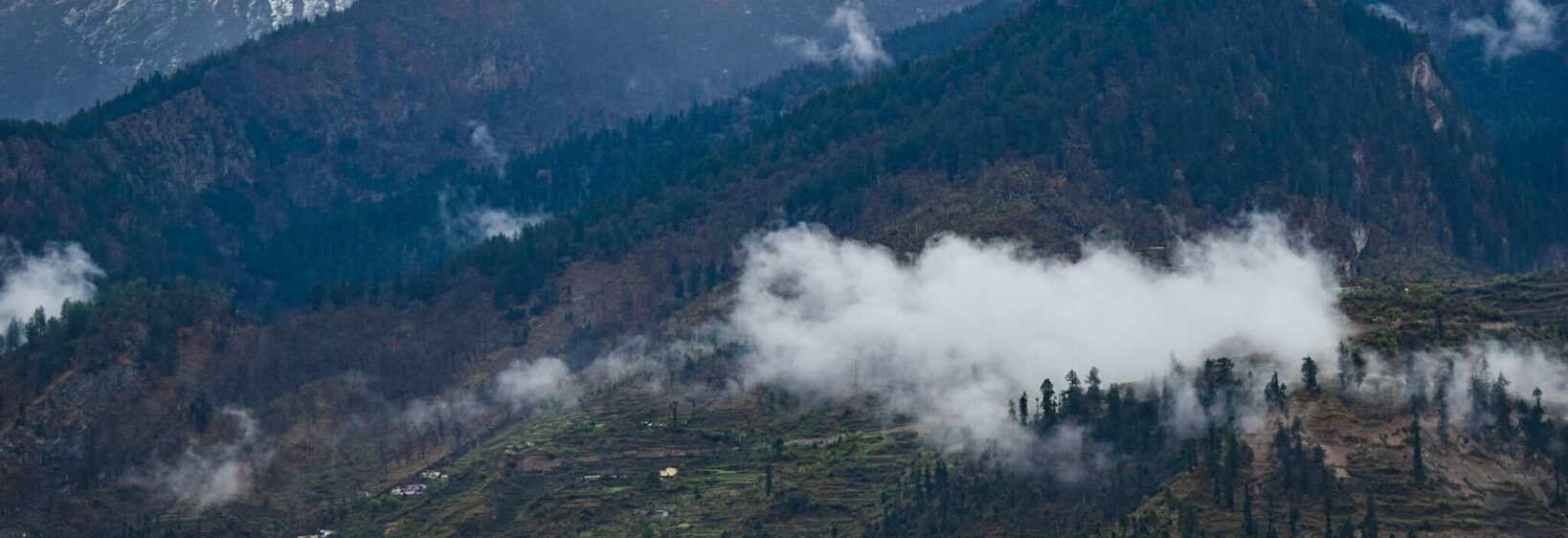
The Terai’s Green Fields And Everyday Rural Life
At the southern edge of Uttarakhand, the Terai opens into a broad, fertile landscape of wheat, rice, sugarcane and bright yellow mustard. This lowland belt feels distinct from the Himalayan towns above it: the air is warmer, roads run through flatter country, and farms stretch towards forested foothills. Learn more about 96141 Photographing The Evening Fog Over The Ganga From Laxman Jhula.
For Australian travellers, the region offers a slower view of India shaped by agricultural seasons rather than landmark-hopping. A morning beside a mustard field may include buffalo carts, hand pumps, schoolchildren cycling to class and farmers checking irrigation channels before the day becomes hot.
The scenery also rewards photographers. Golden crops, mud-plastered homes, grazing cattle and distant blue ridges create a visual story about land and livelihood. It is a useful complement to Uttarakhand’s better-known hill stations, temples, trekking routes and riverside escapes.
A Fertile Belt Below The Himalayas
The Terai is built from rich alluvial soil carried down from the mountains. Seasonal streams and irrigation canals support intensive cultivation, while the nearby Siwalik range influences rainfall, drainage and wildlife movement. Districts around Udham Singh Nagar, Haridwar and parts of Nainital show this meeting of farmland, forest and expanding towns.
Mustard is especially striking from late winter into early spring. Its small yellow flowers form wide blocks of colour between green wheat plots and freshly turned earth. Farmers grow mustard for cooking oil and household use, while rice, pulses, vegetables and fodder crops help sustain local families throughout the year.
A field visit is best planned with respect for working land. Paths may be narrow or privately managed, and crops can be damaged easily by careless walking. Seeking permission before taking portraits or entering a farm makes the experience warmer and more respectful.
Rhythms Of Village Life
Rural life in the Terai begins early. Women may collect water, prepare meals or feed livestock, while men and seasonal workers head towards fields with tools, seed sacks or motorbikes. Families often combine farming with dairy production, small shops, transport work or employment in nearby market towns.
Village homes vary from brick houses with tin or concrete roofs to older compounds shaded by neem, mango and peepal trees. Buffaloes remain important for milk and farm work, and cow-dung cakes may be dried as fuel. Local Hindi is widely spoken, alongside Kumaoni, Garhwali, Punjabi and other languages shaped by migration and trade.
Visitors from Australia may notice a different relationship with food shopping. A Melbourne or Brisbane household might rely on supermarkets and weekend farmers’ markets, while Terai families often buy fresh vegetables, grain, oil and household supplies from small shops or daily bazaars. The link between field, kitchen and marketplace is immediate.
Photographing Mustard And Farmland
Soft morning light reveals dew on mustard flowers and long shadows beside irrigation channels. Late afternoon brings warmer tones, silhouettes of trees and a strong contrast between yellow crops and dark green wheat. A telephoto lens can compress the fields against the foothills, while a wider lens records paths, farm buildings and working people.
For a sense of how changing light can shape an Uttarakhand landscape, study this Nainital sunrise plan before arranging an early field visit. The same principles apply in the Terai: arrive before the strongest sun, watch the direction of light and allow time for ordinary scenes to unfold.
Dust, haze and winter fog can soften distant views. Carry a cloth for equipment, protect cameras from sudden moisture and avoid standing in irrigation water or crop beds. A simple composition of mustard blossoms, a bicycle and a village path can communicate more than a crowded scenic frame.
Visiting Responsibly From Australia
Australian visitors should account for practical differences in travel habits. Carrying a refillable bottle is sensible, though water should come from a trusted source, and modest clothing is appropriate near homes, temples and religious sites. Lightweight cotton clothing, a hat and sun protection are useful during the warmer months.
Local markets are lively but informal. Ask before photographing vendors, keep small notes for purchases and expect prices to be discussed politely. India’s plastic waste rules and state-level restrictions on some single-use items mean travellers should carry reusable bags rather than assume every shop will provide disposable packaging.
Two compact preparation lists can keep a rural outing comfortable:
Useful items to carry
- Refillable bottle and hand sanitiser
- Sun hat, breathable clothing and sturdy shoes
- Small cash notes and a power bank
- Camera cloth and spare memory card
Good field manners
- Ask permission before photographing people
- Stay on paths and avoid standing on crops
- Dress modestly near villages and shrines
- Take rubbish back to suitable disposal points
Markets, Roads And Seasonal Timing
The best time for mustard-field scenery is generally the cool season, when the crop flowers and daytime travel is more comfortable. Winter mornings may be misty, while February can offer clearer skies and warmer afternoons. Monsoon months bring intense green growth but can make rural roads muddy and streams difficult to cross.
Road journeys from Haridwar, Rudrapur, Haldwani or nearby towns reveal how quickly the landscape changes. A busy highway may pass warehouses, tractors and roadside tea stalls before narrowing into lanes bordered by sugarcane and wheat. Allow extra time for animals, farm vehicles, market congestion and unmarked speed bumps.
The Terai’s beauty lies in its working character. It is a living agricultural region rather than a decorative backdrop, and its mustard fields are tied to food, income, family routines and seasonal labour. Travelling slowly allows those connections to remain visible, from the first tea at a roadside stall to the last gold light over the harvested fields.