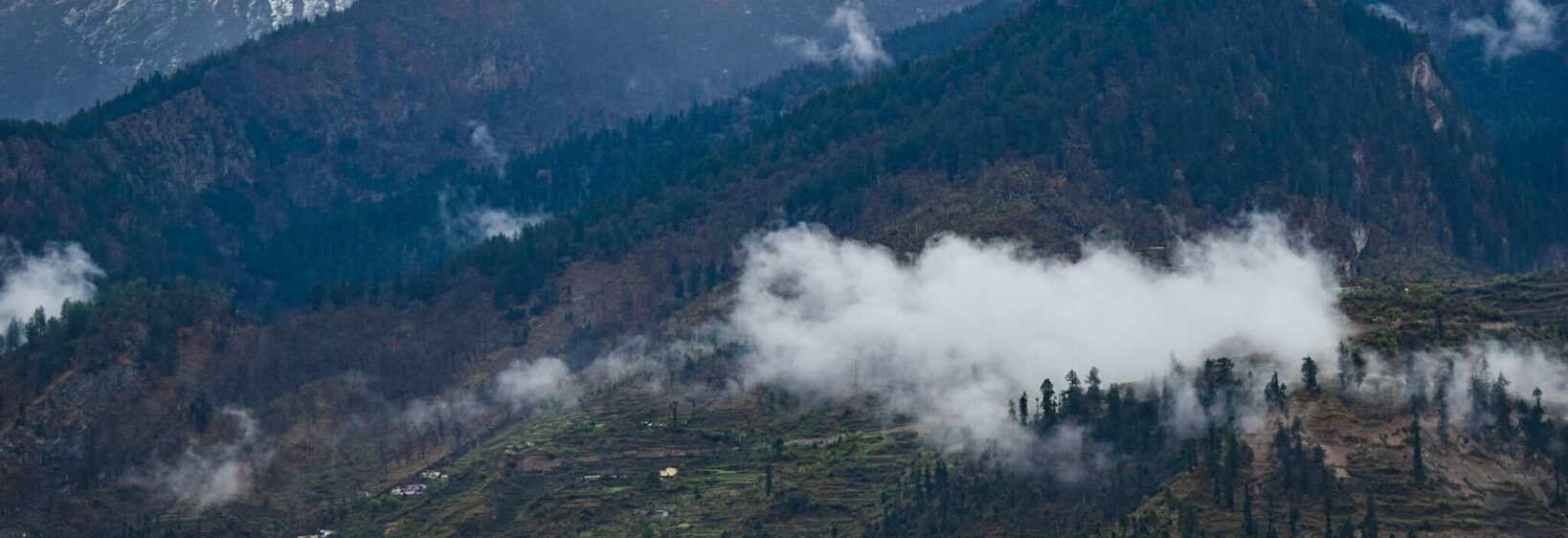
Panchachuli peaks and glacial views from the Darma Valley
In Uttarakhand’s eastern Kumaon region, the Panchachuli range rises above the Darma Valley like a serrated wall of snow and rock. Its five principal summits are linked with local mythology, while the high glaciers, alpine meadows and remote villages create one of the Himalaya’s most compelling landscapes. Learn more about 46607 A Beginner S Guide To Trekking In The Garhwal Himalayas.
The valley lies in Pithoragarh district, close to the Indo-Tibetan frontier. Travellers generally reach Dharchula first, then continue along the Darma Valley road towards villages such as Sobla, Dar, Dugtu and Dantu. The journey is part of the experience, with steep gorges, suspension bridges, pine forests and changing mountain light.
For Australian visitors, this is a very different style of Himalayan trip from a quick escape to the Blue Mountains or a well-marked walk near Melbourne. Roads can be rough, mobile coverage patchy and travel times unpredictable. A relaxed “no worries” attitude helps, but reliable local arrangements and travel insurance are essential.
The Panchachuli Peaks: Glacial Views from the Darma Valley are best appreciated slowly. Clear mornings often reveal the snowfields in sharp detail, while afternoon cloud can wrap the summits in silver. A visit also offers meaningful contact with Bhotiya culture, traditional homes, seasonal migration and food shaped by the high-altitude environment.
The five summits above the valley
The name Panchachuli refers to five peaks, traditionally associated with the five cooking hearths of the Pandavas from the Mahabharata. Their heights vary, with Panchachuli II rising above 6,900 metres. The mountains form a dramatic skyline, especially when viewed from the settlements and trails around Dantu and Dugtu.
Glaciers descend from the high ridges, feeding streams that run through the valley. Snow conditions, sunlight and cloud cover constantly change the appearance of the massif. Early morning is usually the strongest time for photography, when the peaks may glow pink before turning brilliant white.
Villages, culture and mountain life
Darma Valley villages preserve a distinctive Himalayan culture shaped by trade, pastoralism and seasonal movement. Stone-and-timber houses, prayer flags, grain stores and compact lanes reflect the need to withstand cold winters. Local families may still move livestock towards lower areas when the upper valley becomes inaccessible.
Bhotiya traditions can be seen in woven woollens, food, architecture and community festivals. Visitors should ask before photographing people, homes or religious objects. Adding a heritage stop elsewhere in Uttarakhand, such as the Katarmal Sun Temple, can provide useful context about the region’s older architecture and spiritual traditions.
Walking routes and viewing points
The trek around the Panchachuli base area is demanding rather than technically extreme, but altitude, weather and rough paths require preparation. Walkers may cross open slopes, boulder sections and narrow village trails. A local guide is valuable for route finding, weather judgement and communication with residents.
Australians accustomed to national park signage around Kosciuszko or Tasmania should expect fewer formal facilities here. It is wise to build in extra days, carry essential medication and train for sustained uphill walking. A Garhwal trekking guide also explains useful preparation principles for Himalayan walks, even though the Darma Valley is in Kumaon.
Practical planning details for the journey
The most comfortable travel periods are generally April to June and September to October. Spring brings clearer trails and fresh vegetation, while autumn often offers crisp skies after the monsoon. Winter snow can close routes, and monsoon rain may trigger landslides on approach roads.
Useful arrangements to confirm before departure include:
- Transport from Delhi or another Uttarakhand gateway to Dharchula
- Inner-line or local permissions where required
- Accommodation, meals and porters in remote villages
Australians should also allow time for altitude adjustment and avoid treating the trip like a tightly scheduled package holiday. Travellers from Sydney, Brisbane or Perth may find the long road approach tiring, while Australian school-holiday dates can increase demand for popular Uttarakhand routes.
Pack according to the valley rather than the city forecast. Temperatures can fall quickly after sunset, even in warmer months, and facilities may be basic.
- Layered clothing, gloves, sun protection and sturdy footwear
- Water treatment, personal medicines and a compact first-aid kit
- Cash in Indian rupees, as card payments and ATMs are limited
Responsible travel in a fragile landscape
The Darma Valley’s appeal depends on its clean rivers, quiet villages and relatively light visitor pressure. Carry rubbish back to a collection point, avoid single-use plastic and use established campsites where possible. Toilets may be simple, so guides can explain respectful local practices.
Support locally owned homestays, cooks, drivers and porters instead of relying entirely on outside operators. Learn a few polite Hindi expressions, greet people warmly and dress modestly around homes and shrines. For Australians used to a casual “mate” culture, friendliness is welcome, but patience and sensitivity matter more than informality.
A visit to this high valley should leave the landscape and its communities undisturbed. The strongest memories often come from small moments: sunlight reaching the glacier, butter tea in a village kitchen, or the first clear view of all five summits after a cloudy morning.