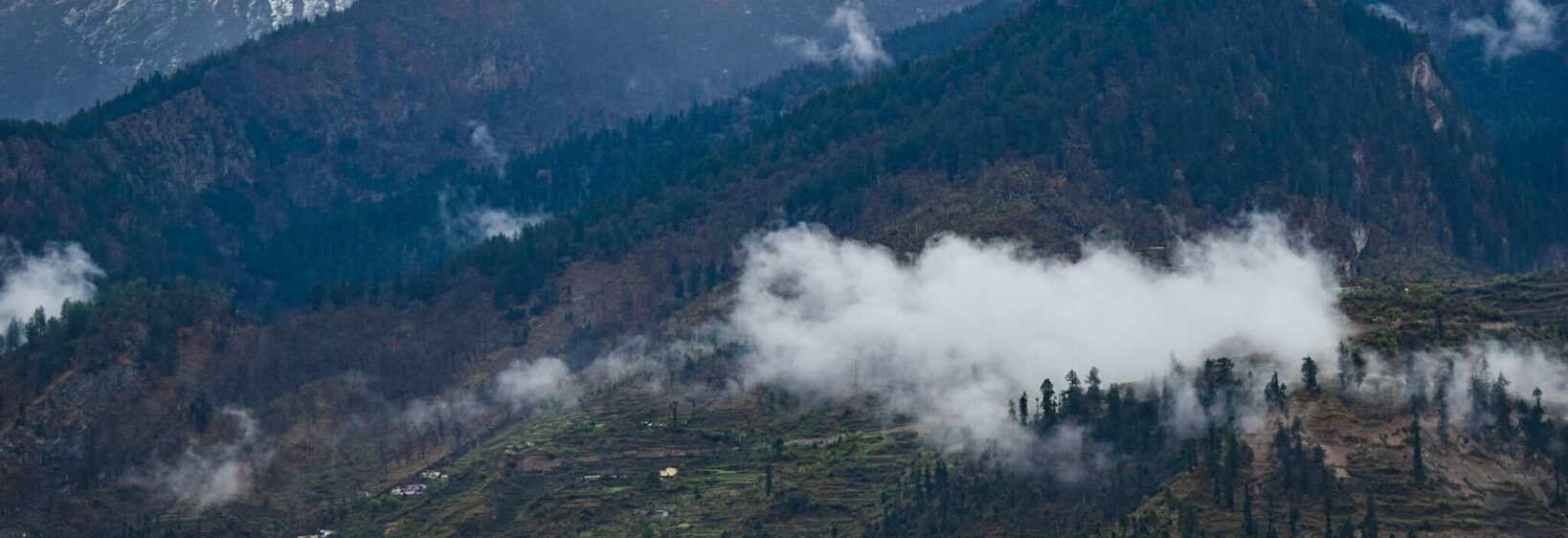
Koteshwar Temple: A Riverside Cave Shrine Near Rudraprayag
Koteshwar Temple is one of the most atmospheric pilgrimage places in Uttarakhand. Set inside a natural cave beside the Alaknanda River, the shrine combines mountain scenery, Hindu devotion and the quiet rhythm of a small riverside settlement.
The temple lies around three kilometres from Rudraprayag town, on the road towards Kedarnath. It is associated with Lord Shiva and is believed to be the place where Shiva meditated before continuing towards Kedarnath. Water, stone and incense give the site a distinctive character.
For Australian visitors, this is an easy addition to a Garhwal itinerary. It can fit between a stay in Rishikesh and a Himalayan road journey, much as a short heritage stop might be added between larger destinations in regional New South Wales or Victoria.
The best experience comes with time to pause rather than rush through the temple. Arrive early, listen to the river below the cave and allow the changing light to bring out the colours of the rock walls.
A Sacred Cave Beside The Alaknanda
The shrine is built around a small cavern, with naturally formed rock creating a dramatic setting for the Shiva lingam. Oil lamps and flower offerings soften the dark interior, while the sound of the Alaknanda gives the prayer area a constant background murmur.
Local tradition connects the cave with Shiva’s meditation. Devotees visit throughout the year, and the temple becomes particularly lively during Shivratri and other important religious occasions. Modest clothing and respectful behaviour are expected inside the shrine.
Reaching Koteshwar From Rudraprayag
Rudraprayag is connected by road with Rishikesh, Srinagar, Devprayag and Joshimath. From the town centre, taxis and shared vehicles can usually reach Koteshwar quickly, although road conditions and traffic can make Himalayan distances feel longer than they appear on a map.
Travellers continuing towards Kedarnath can combine this visit with a wider pilgrimage route. Those planning mountain photography may also find this Kedarnath trek guide useful for understanding road access, permits and changing weather conditions.
What The Riverside Landscape Reveals
The Alaknanda is the main visual feature, moving through a steep valley of forested slopes and exposed rock. In the warmer months, the water may look greener or grey-blue depending on sunlight and sediment, while monsoon conditions can make the river fast and powerful.
Photography is rewarding from the approach road and nearby viewpoints, but visitors should stay well back from the water’s edge. There may be slippery stones, uneven paths and sudden changes in river level. A wide-angle lens is helpful, though a phone camera can capture the cave entrance, prayer flags and mountain backdrop effectively.
Visiting With An Australian Travel Rhythm
Travellers from Sydney, Melbourne, Perth or Brisbane will usually need to plan around international flights, domestic connections and long mountain road transfers. A sensible route may include Delhi, Haridwar or Dehradun before moving into Uttarakhand, with a buffer day for delays.
Indian travel operates at a different pace from a tightly timed Australian road trip. A driver may recommend a tea stop, traffic can slow unexpectedly, and festival days can bring extra crowds. It is worth confirming taxi prices and hotel arrangements in advance, especially during Australian school holidays when overseas travel demand can lift package rates.
Practical Details For A Comfortable Visit
There is no elaborate tourist infrastructure at the shrine, so a little preparation makes the stop easier.
- Carry drinking water, sun protection and a light rain jacket.
- Wear shoes with a firm grip for stone surfaces and short approaches.
- Dress modestly and remove footwear where requested.
- Keep small cash for offerings, refreshments or local transport.
- Visit in the morning for softer light and a calmer atmosphere.
- Avoid standing close to the river during heavy rain or monsoon weather.
Australians accustomed to card payments everywhere should keep rupees available, as small stalls and local vehicles may not accept cards. Calling a short break an “arvo” is familiar at home, but here the practical priority is leaving enough daylight for the return journey.
Nearby Experiences And Responsible Travel
Koteshwar works well as part of a broader Rudraprayag visit. Travellers can explore the confluence associated with the town’s name, continue towards Ukhimath, or use the area as a base for routes into the higher Garhwal valleys. The surrounding villages offer glimpses of local food, Hindi and Garhwali conversation, seasonal farming and temple customs.
Visitors interested in nature photography can compare this rocky Himalayan setting with the quieter wetlands of the Kumaon region through the Sattal bird sanctuary. At the shrine, avoid photographing worshippers without permission and do not leave plastic near the river.
A calm, practical approach is useful throughout the journey. Travellers who enjoy learning how local communities help visitors find their way may also appreciate this Japanese koban guide, although Koteshwar’s assistance is more likely to come from a shopkeeper, driver or temple attendant.