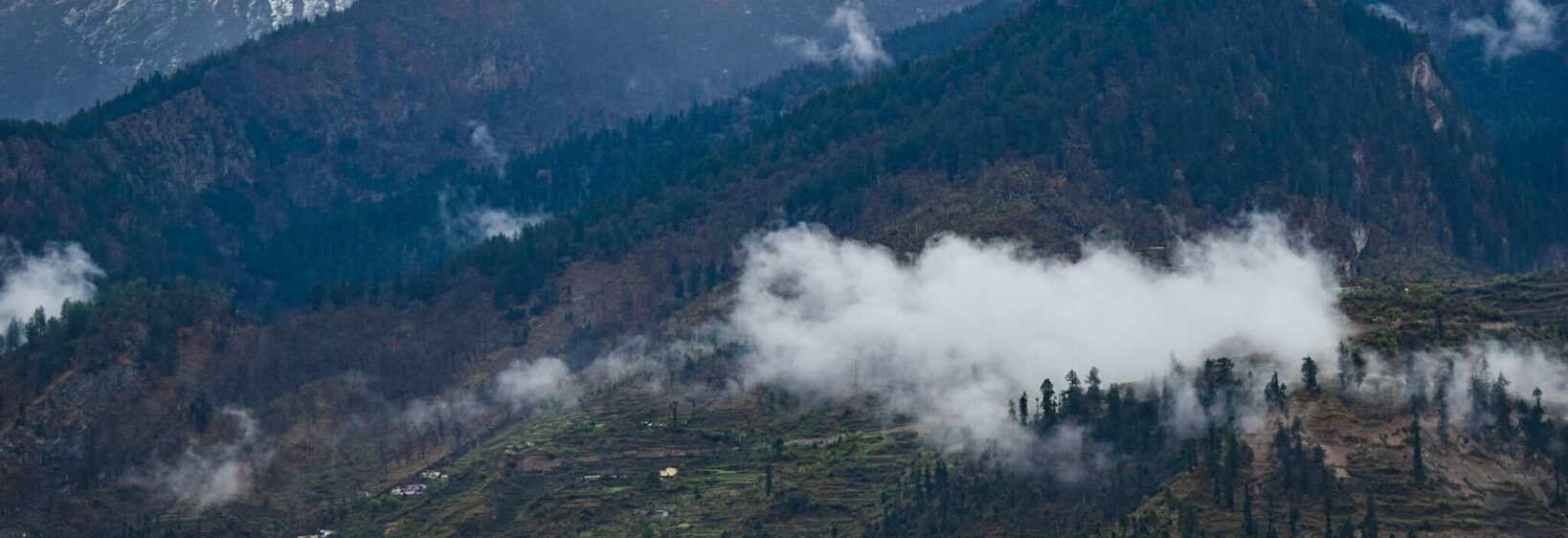
Bhowali to Ramgarh: A Scenic Himalayan Drive Through Orchards
The road from Bhowali to Ramgarh winds through a quieter corner of Kumaon, where fruit orchards, pine forests and wide mountain views shape the journey. It is a short drive by Himalayan standards, yet the changing scenery makes it worth taking slowly, with time for photographs and village stops.
Bhowali sits at an important junction near Nainital, while Ramgarh rises towards the forested slopes overlooking the Kumaon Himalaya. Along the route, apple, plum, peach and apricot trees add seasonal colour, and small roadside stalls offer glimpses of everyday hill life.
For Australian visitors, the route feels familiar in its appeal to a scenic regional drive, although the roads, gradients and traffic require patience. Think of it as a mountain alternative to a relaxed journey through the Blue Mountains from Sydney, with sharper bends and a much greater sense of altitude.
The character of the mountain road
The Bhowali to Ramgarh road climbs and bends through settlements scattered among pine groves and terraced hillsides. Chir pine trees dominate many slopes, releasing a warm resinous scent in the sun. In shaded stretches, the forest becomes cooler and quieter, with occasional views opening towards distant ridgelines.
The landscape changes throughout the year. Spring brings blossom to the orchards, summer offers clear mornings and pleasant evenings, and the monsoon covers the hills in fresh green. Autumn often provides crisp visibility, while winter can bring cold winds and a dusting of snow on higher Himalayan peaks visible from suitable viewpoints.
Orchards, village life and local flavours
Ramgarh is widely associated with fruit cultivation, especially apples and stone fruits. Depending on the season, travellers may see orchard owners sorting produce, children walking home from school, or baskets of fruit being carried towards local markets. The pace is agricultural rather than hurried, and roadside conversations often reflect weather, harvests and pilgrimage travel.
Small cafés and homestyle eateries serve warming food such as aloo ke gutke, bhatt ki churkani, parathas and tea. Australian travellers used to Melbourne coffee culture should expect simpler roadside chai rather than elaborate café menus, though the mountain setting adds its own reward. Carrying cash in Indian rupees is useful because small stalls may not accept cards or digital payments.
Viewpoints for photographers
The road offers frequent opportunities to stop safely and photograph layered hills, pine silhouettes and village rooftops. Early morning is especially rewarding, when soft light settles across the valleys and clouds may drift below the road. A telephoto lens can compress distant ridges, while a wide-angle lens captures the relationship between orchards, forest and sky.
Photographers interested in Uttarakhand’s broader landscapes can also explore this Pithoragarh photo guide for ideas about composition and Himalayan light. On the Ramgarh route, always keep vehicles fully off the carriageway when stopping, since blind bends and passing jeeps make casual roadside parking risky.
Planning a comfortable visit
The drive is easy to combine with Nainital, Mukteshwar or Almora, depending on available time. A private taxi gives greater flexibility for orchard visits and viewpoints, while local buses are economical but less convenient for photography. Australian visitors should allow extra time during school holidays, when domestic tourism increases around Nainital and popular hill stations.
Weather can change quickly, so a light waterproof jacket, sun protection and shoes with firm grip are sensible. The strong high-altitude sun may surprise visitors from Brisbane or Perth, even when the air feels cool. Those who enjoy careful packing for scenic journeys may find these Japanese travel notes useful when planning a compact travel kit.
Culture, legends and respectful travel
The hills around Ramgarh are connected to Kumaoni traditions, seasonal festivals and sacred landscapes. Temples and shrines may appear beside the road, sometimes marked by bells, red cloth or small painted structures. Modest clothing and quiet behaviour are appreciated, especially during worship, and permission should be requested before photographing people or religious ceremonies.
Local stories give the mountains a deeper presence beyond their visual beauty. Accounts connected with Nanda Devi, a revered Himalayan goddess, remain part of regional cultural memory; these Nanda Devi legends offer helpful context. Travellers who approach the route with patience will find that its appeal lies in the combination of forest scenery, orchard country, mountain air and living Kumaoni culture.