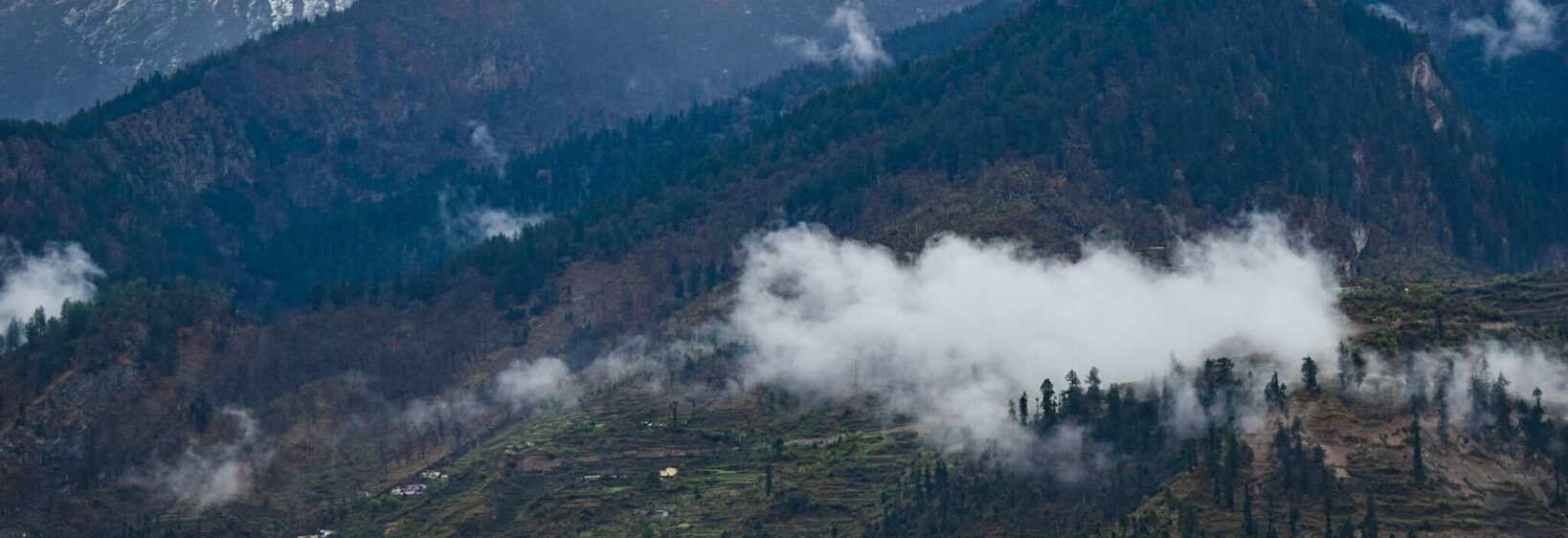
Riverside Nights at the Tala River Rafting Camp
Tall pines lean over a curve of cold Himalayan water where the Tala River cuts through the foothills of Uttarakhand. Set up on a sandy flat downstream of the white-water stretch, the camp welcomes travellers who want to swap hotel corridors for canvas and campfires. Australian visitors, many of them already seasoned bush-campers from trips along the Murray or the high country around Bright, find the evening ritual of a bonfire portraits session oddly familiar, only with the roar of rapids in place of cicadas.
Beyond the tents, the camp runs multi-day rafting courses down a section of the Ganges tributary that slides between grade II and grade IV rapids depending on monsoon flow. Day visitors drift in for a half-day paddle, but the heart of the experience is the overnight programme, where guests eat warm dhal under canvas, swap stories around a flame, and let photographers capture them dusted in firelight against the river.
The Camp Itself and Why It Works
The site sits about three hours by road from Rishikesh, hidden down a forest track that locals use for timber runs. Canvas sleeping tents are pitched on raised wooden decks among eucalyptus and sal trees, giving the camp an enclosed, almost glamping feel rather than a rugged expedition layout. Shared washrooms feed into a grey-water soak pit that follows the wet-land model common across eco-tourism projects in regional India.
Because the river stays cool year-round, air-conditioning is unnecessary and the flies are kept manageable by the canopy overhead. The kitchen serves chai at dawn and thalis at night, with vegetarian and jain options arranged if you call ahead.
Seasons and Travel Windows from Australia
The white-water rafting season runs from late September until mid-June, peaking between March and May when the river holds a steady medium flow. Monsoon months bring high water and closed camps, so anyone flying out of Sydney or Melbourne should aim for the shoulder weeks around October or April to dodge both school-holiday crowds back home and the heaviest Indian rains.
There is no daylight saving in India, so an Australian Eastern traveller lands roughly four and a half hours ahead in winter and three and a half ahead in summer. Pack a paper notebook for the offline hours, since mobile signal drops to almost nothing once you leave the Rishikesh bypass.
Overnight Tent Options at the Camp
| Tent type | Sleeps | Indicative AUD price per night | Best for |
|---|---|---|---|
| Riverside twin tent | 2 | 95 – 130 | Couples and short stays |
| Family quad tent | 4 | 160 – 210 | Families with older kids |
| Solo canvas pod | 1 | 75 – 95 | Solo rafters and photographers |
| Glamping bell tent | 2 | 180 – 240 | Comfort-led travellers |
Prices drift upwards around Diwali, Christmas and the Holi window. The bell tent runs on a raised platform with proper bedding, while the solo canvas pod is what serious photographers usually book for an early river shoot before breakfast. Each package includes the rafting day, three meals at the camp, and the bonfire portrait session itself.
Bonfire Portraits and Night Photography
Sessions begin about forty minutes after sunset, once the camp staff have stacked hardwood into a shallow pit near the riverbank. A reflector with a warm gel pairs with an off-camera flash set to second-curtain sync so sparks trail behind the subject rather than freeze flat. Most guests wear the cotton kurtas the camp lends out, which read brilliantly on camera against the orange backwash.
A long lens of 70-200mm handles most of the work, but a fast 50mm prime at ISO 6400 reaches similar results if you embrace a touch of grain. After the group shot, couples usually steal a few minutes beside the river, where slow exposures turn the rapids into a satin sheet framing the embers.
Kit that travels well to the bonfire
- Spare, fully charged batteries, since cold river air drains cells faster than coastal humidity in Hobart would.
- A small LED panel set to warm white for fill on close-up couple shots.
- A microfibre cloth and a rocket blower for dust kicked up during late-evening mini-sessions.
What to Pack for the Overnight Stay
Layering matters more than heavy weight because mornings along the river can drop below ten degrees even when midday climbs towards twenty-five. The camp lends bedding, but most guests prefer their own lightweight thermals for sleeping, particularly travellers used to cooler high-country nights around Mt Hotham. Quick-dry shirts and spare socks are the unsung heroes of any overnight river camp.
Essentials worth fitting into your duffel
- Refillable water bottle and a personal filter, since tap water is treated but many visitors prefer their own setup.
- Lightweight down jacket or fleece for the pre-dawn tea call.
- Insect repellent with at least 20 percent deet, plus a small first-aid kit with rehydration salts.
Safety, Permits and Australian Traveller Notes
Indian adventure operators fall under state tourism rules and each camp must hold a valid operating licence renewed annually. Australian travellers should ask to see the current permit and the guide's first-aid certificate before stepping into a raft, mirroring the way operators around the Whitsundays and the Franklin River are expected to display their credentials. Helmets and PFDs are mandatory in both countries; bring your own reef shoes if you trust the grip, as they double up well for the riverbed.
Bookings made in Australia are usually charged in Indian rupees or US dollars on international cards, with the Goods and Services Tax not applying offshore but the foreign currency conversion fee from your bank still nibbling around one to three percent. Carry some small AUD to exchange at the airport for tips and souvenirs, and keep digital scans of your passport in case the camp manager asks for ID at check-in.
Pairing the Camp With Nearby Uttarakhand Highlights
Most visitors combine the rafting overnight with a stop in Rishikesh, a short drive downstream where yoga retreats and aarti ceremonies line the ghats. Pilgrims on a longer circuit sometimes fold the camp into a broader Char Dham itinerary, using Rishikesh as a launchpad before heading deeper into the Garhwal hills. If a quieter spiritual stop appeals, an underground shrine such as Patal Bhuvaneshwar offers a striking contrast to the high-energy river and is reachable as a long day trip from the camp.
Travellers still mapping the bigger trip will find a Char Dham planning guide useful for locking dates around river levels and pilgrimage queues. Photographers who built their night-portrait skills at fire-spinning events near the Adelaide Hills sometimes cross-check their craft against regional adventure field notes before they fly out, picking up extra ideas on low-light framing that carry across continents.