Jwalpa Devi Temple Pauri: hilltop shrine and evening aarti
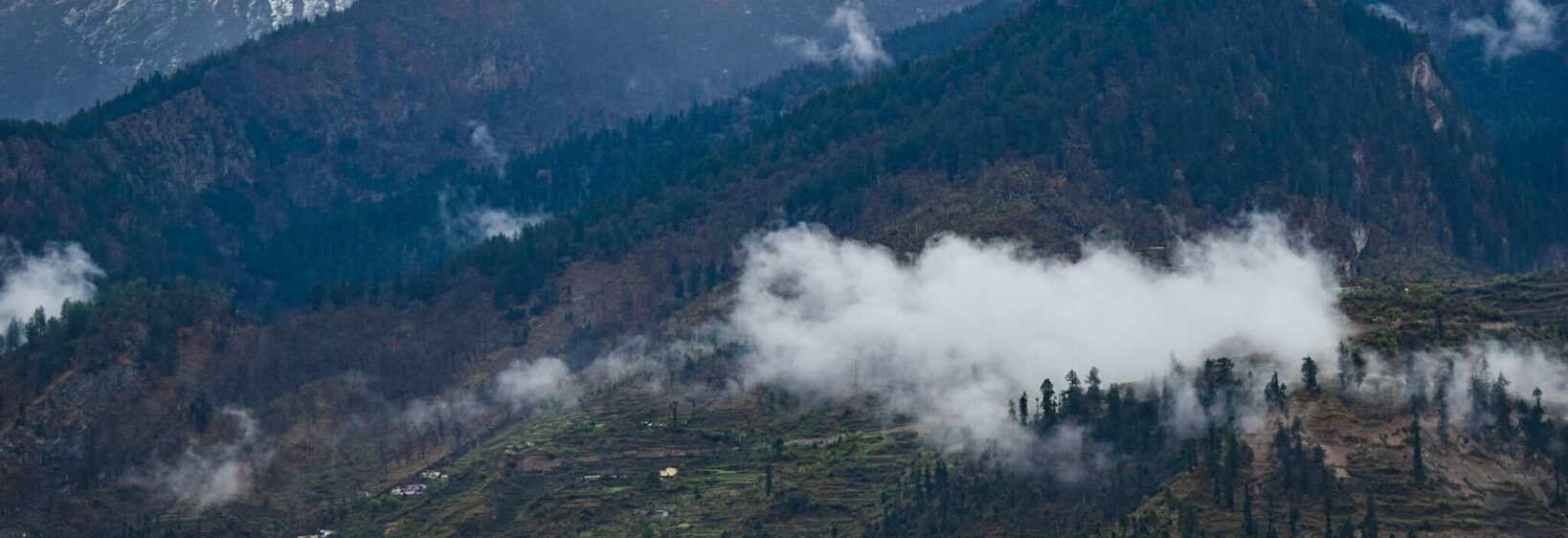
Perched high above the misty folds of the Garhwal Himalaya, Jwalpa Devi Temple in Pauri Garhwal draws visitors who crave something quieter than the rush of Haridwar and Rishikesh. The shrine sits on a ridge that looks out over the snowline of the Chaukhamba range, and its evening aarti has earned a reputation as one of the more soulful rituals in Uttarakhand. For travellers flying in from Sydney or Melbourne, the journey usually begins with a long-haul touchdown in Delhi, followed by a road transfer that gradually trades plains heat for cedar-scented hill air.
Australians tend to arrive curious and a little road-weary, often after a fortnight bouncing between Delhi, Agra, and the Golden Triangle. The detour to Pauri rewards them with a slower pace, a smaller crowd, and a chance to witness a living flame that has, by tradition, been burning inside the sanctum for centuries. The temple is dedicated to Goddess Jwalpa, an aspect of Shakti, and her presence is felt in the steady flicker that greets every pilgrim at the threshold.
Getting there involves shared jeeps or private taxis from Rishikesh, with the final stretch climbing through pine and deodar forest. The road is narrow in places, and those who have driven the Great Ocean Road back home will recognise the same hairpin logic, only with the added thrill of a deep valley on the outer edge. Most travellers stay overnight in Pauri town so they can attend the evening ceremony without rushing back down in the dark.
The aarti itself unfolds as dusk settles over the lower hills. Bells ring in a slow, deliberate rhythm, and the flame inside the sanctum is mirrored by a row of brass lamps along the parapet. Devotees hum ancient mantras, and the sound travels surprisingly far on the cool mountain air. It is the kind of experience that stays with you long after the flight home to Tullamarine.
The legend of the eternal flame
Local lore says the goddess appeared in a fiery vision to a meditating sage, and the flame has burned at this site ever since. The current structure is modest, built from pale stone that warms to soft gold in late afternoon light. Inside, a small fire pit sits at the heart of the sanctum, and the priest tends it several times a day, adding ghee and dry wood.
For visitors used to polished marble in larger Indian temples, the simplicity of Jwalpa Devi comes as a pleasant surprise. The stone floor is worn smooth by decades of bare feet, and the only real ornamentation is the silver canopy over the deity. Photography is restricted inside the main shrine, which encourages people to be present rather than framing shots through a viewfinder, a welcome change after weeks of crowded sight lines.
Walking the ridge above Pauri
The temple sits on a spur that juts out from the main Pauri plateau, and a paved path runs along the ridge to a small park and a handful of viewpoints. Early morning walks catch the snow peaks turning pink, while late afternoon brings soft fog rolling up from the valley. Travellers who plan to extend their trip towards the higher meadows will find a useful primer in a visual guide to the seasonal flower varieties at the Auli meadows, which pairs nicely with a Pauri itinerary.
Nearby villages sell woollens, walking sticks, and small brass bells that pilgrims often leave at the shrine as offerings. Locals chat in a mix of Hindi and the Kumaoni dialect, and the chai stalls along the ridge are perfect for a slow breather. Some Aussie trekkers compare the views here to the high country around Mount Kosciuszko, though the Himalayan scale sits on another level entirely.
The evening aarti in detail
Ceremonies begin around sunset, though timings shift with the seasons. Priests carry a large multi-tiered lamp through the courtyard, and the air fills with sandalwood smoke and the clatter of hand-bells. Visitors stand along the courtyard edge, and there is room for everyone, even on busier weekends when families arrive from Dehradun and beyond.
It is worth lingering afterwards, when the courtyard empties and the stars come out over the ridge. The silence is deep, broken only by the occasional bark of a village dog and the soft chant of a closing prayer. A thermos of chai from a nearby stall tastes especially good in the cool air, and swapping notes with other travellers, often a mix of Indian pilgrims and the occasional backpacker on a working holiday visa, becomes part of the ritual.
Beyond the shrine: nearby stops
Pauri works well as a base for short day trips, including Kanvashram and the quieter hill station of Lansdowne. Adventurous types can drive further towards Abbott Mount village, an old British-era settlement that rewards those curious about Uttarakhand's lesser-known corners. The drive takes a few hours and the road is rough in patches, so a sturdy vehicle and a patient driver are recommended.
Trekkers can also link Pauri with the Khirsu area, where apple orchards and terraced fields offer a different flavour of Garhwal life. Spring brings rhododendron blooms, while autumn is generally clearer for mountain views.
Planning a visit from Australia
Most Australians travel between April and June, or in September, to avoid both the monsoon and the harshest winter cold on the higher ridges. Pack layers rather than heavy coats, because the temperature can swing sharply between afternoon sun and a frosty night. Lightweight walking shoes, a torch for after dark, and a small offering of sweets or flowers for the temple are useful additions.
For those who plan to combine India with other Asian stops, the JR Pass buying guide offers a useful parallel on how to structure transport passes efficiently. Booking temple-side guesthouses in Pauri in advance is wise during Navratri, when pilgrim traffic spikes, and most properties will arrange a return taxi to Rishikesh on request. Carrying biscuits or muesli bars from an Australian supermarket also helps when road hunger kicks in between long drives.