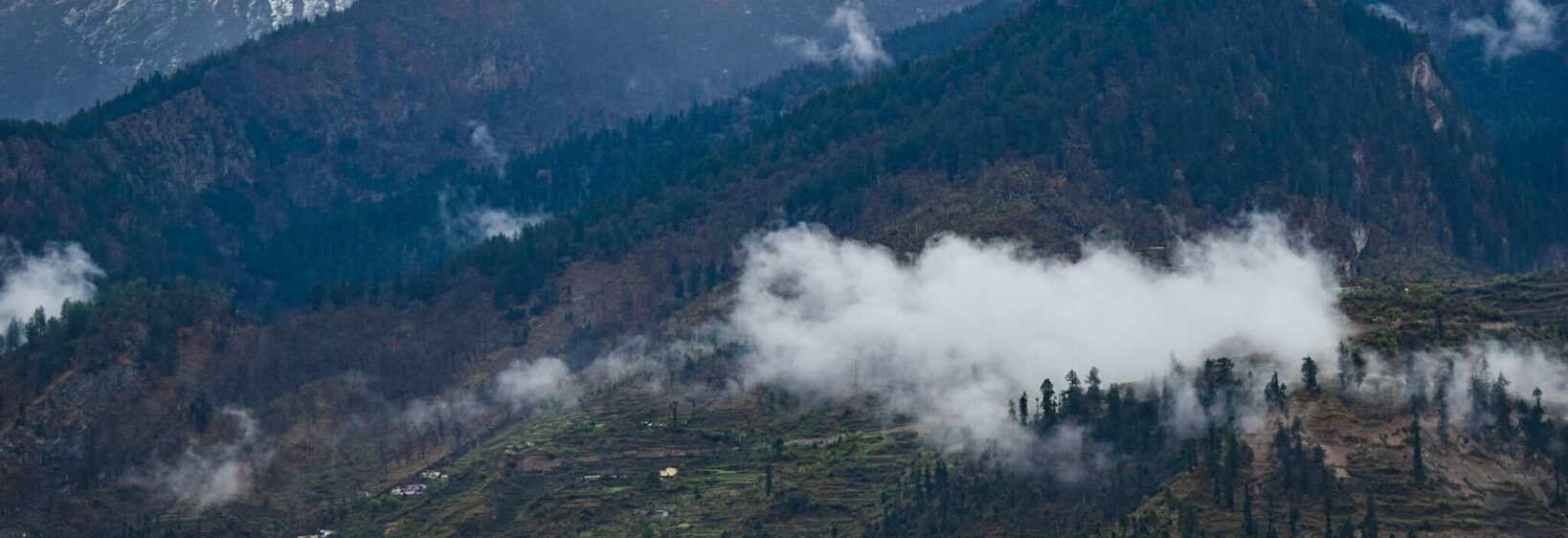
Almora Zero Point: Sunrise Over Snowy Peaks and the City Below
Almora Zero Point is one of the most rewarding viewpoints in Kumaon for travellers who enjoy quiet mornings, mountain photography, and a broad Himalayan panorama. Located in the Binsar Wildlife Sanctuary area, the lookout opens towards snow-covered summits while the historic town of Almora spreads across the ridges below.
For visitors from Australia, this can feel very different from a coastal sunrise at Bondi or a bushland lookout in the Dandenong Ranges. The air is cooler, the light changes quickly, and the journey involves hill roads, forest gates, and an early start. A little planning makes the experience far more comfortable.
Why The Viewpoint Is Special
The lookout is known for its open Himalayan views, particularly on clear winter mornings. Peaks associated with the Nanda Devi range, Trishul, and Panchachuli may appear beyond layered ridges, glowing pink, gold, and silver as the sun rises.
Almora’s settlements sit below in a long sweep of hills, with tiled roofs, pine forests, and winding roads creating a striking contrast to the distant snowline. The scene works equally well for landscape photography, slow observation, and a peaceful break from busier pilgrimage routes.
Reaching Almora Zero Point
Most visitors approach through Binsar Wildlife Sanctuary, around 30 kilometres from Almora. The final section is forested and winding, so a local taxi is usually more practical than attempting the drive before dawn in an unfamiliar vehicle. Check entry timings and road conditions locally, as access can vary with weather and forest regulations.
Travellers arriving from Delhi, Kathgodam, or Nainital should allow extra time for mountain traffic. An Australian visitor might describe the distance as manageable on a map, but Himalayan roads make a short route feel much longer than a comparable drive around regional Victoria or New South Wales.
The Best Sunrise Experience
Try to reach the viewpoint before first light. Dawn often begins with a deep blue horizon, followed by a narrow band of amber behind the peaks. Carry a torch, wear shoes with a firm grip, and keep a warm layer handy even if Almora feels mild during the afternoon.
Winter generally offers the clearest visibility, while spring brings fresh forest colour and pleasant daytime temperatures. Monsoon clouds can hide the mountains, although the misty landscape has its own atmosphere. Sunrise times change through the year, so confirm the local timing with your accommodation.
Photography And Quiet Observation
A wide-angle lens can capture the relationship between the town, forest, and high peaks, while a telephoto lens brings snowy summits closer. Keep the horizon level and take a few exposures as the light develops; the brightest colours may last only several minutes.
Avoid crowding the edge or using loud music at the lookout. A simple thermos of tea, a compact tripod, and patience are more useful than heavy equipment. The soft early light also suits portraits and small wedding or travel shoots, provided local rules and other visitors’ privacy are respected.
Adding Local History To The Trip
Almora is more than a scenic base. Its old markets, temples, stone architecture, and Kumaoni traditions add cultural depth to a sunrise outing. The town’s heritage can be paired with a visit to regional landmarks and the wider story of fortified hill settlements, including these Kumaon hill forts.
Spend time in the bazaar after returning from the viewpoint. Look for locally made copperware, woollens, Bal Mithai, and singori, while remembering that small shops may open later than businesses in Sydney or Melbourne. Bargaining is common in some markets, but friendly, respectful conversation is valued.
Practical Details For Visitors
Accommodation ranges from forest retreats and family-run guesthouses to hotels in Almora. Australian travellers should carry some Indian rupees for taxis, snacks, entry fees, and smaller shops, as card payments and mobile coverage can be inconsistent around forest areas.
Useful items for the morning include:
- Warm jacket and beanie
- Torch or charged phone light
- Water and light snacks
- Grippy walking shoes
A local driver can also help coordinate a wider Kumaon itinerary. For independent trip ideas and accommodation inspiration, browse Near The Lighthouse while comparing travel styles, locations, and seasonal costs.
Extending The Himalayan Journey
The viewpoint fits well into a longer Uttarakhand holiday. After Almora, travellers can continue towards Ranikhet, Kausani, Binsar, or quieter village stays, allowing time for forest walks and local food rather than rushing between attractions.
Experienced trekkers may want to connect the trip with higher mountain routes. The Kuari Pass trek offers a very different perspective, with longer walks, changing campsites, and expansive views of Himalayan giants. It requires more preparation than a sunrise visit, including fitness, warm clothing, permits, and a trusted guide.
For Australians used to booking around school holidays, public holidays, or an annual leave block, shoulder-season travel can provide better availability and calmer roads. Always build a buffer into the itinerary: mountain weather and traffic can alter plans, but that slower pace is part of discovering Almora well.